
How Loneliness Impacts Physical Health

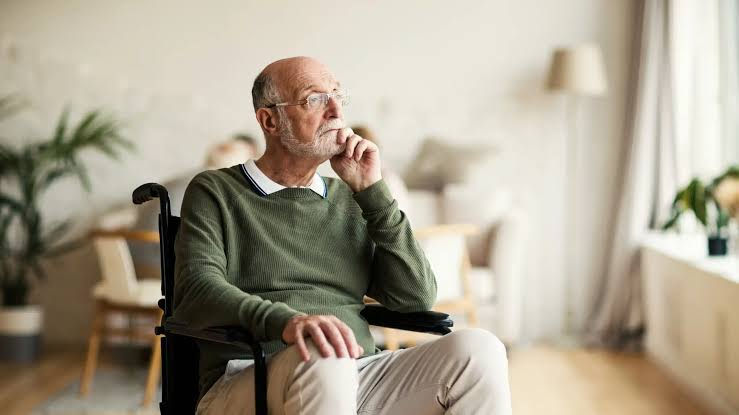
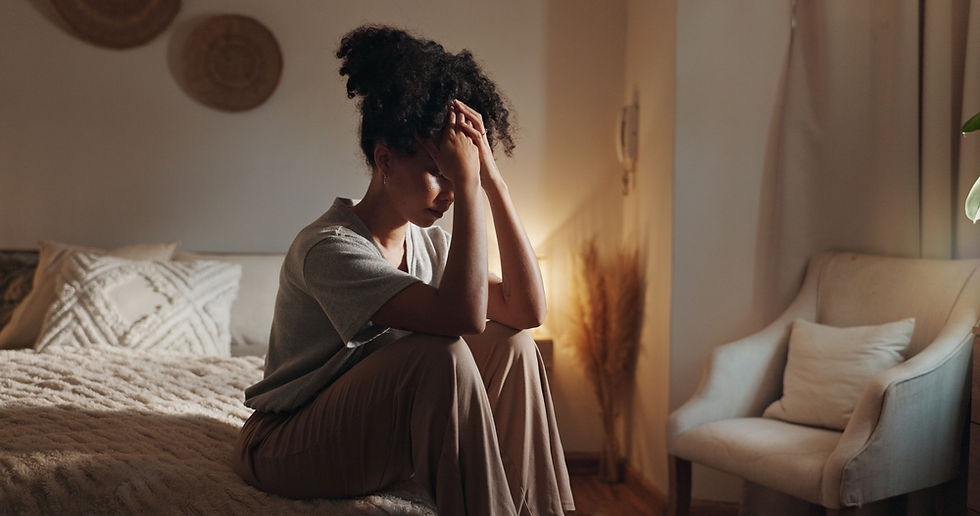
If you've ever felt physically drained after a long period of isolation, you're not imagining it. Loneliness isn't only an emotional experience—it can affect how your body responds to stress and how you take care of yourself.
What doesn't help is treating loneliness as something you should simply "get over." Persistent loneliness can influence sleep, stress, physical activity, and other aspects of health.
The truth is this: connection is part of taking care of your body, not just your mind.
How Loneliness Can Affect Your Body
Long-term loneliness has been associated with:
Higher stress levels
Poorer sleep
Lower physical activity
Changes in appetite
Greater risk of depression and anxiety
Higher risk of cardiovascular and other health problems
Loneliness doesn't mean you're unhealthy, and being alone isn't automatically harmful.
The concern is persistent feelings of disconnection or lack of meaningful social connection.
Why Connection Matters
Humans are social beings. Positive relationships can provide emotional support, encouragement, and a sense of belonging.
Regular social connection may also make healthy habits easier to maintain.
A simple conversation, shared meal, or walk with someone can be meaningful.
A Smarter Reframe
Instead of asking, "Why do I feel lonely?"
Ask, "Where can I create more meaningful connection?"
You don't need a huge social circle. A few genuine relationships can make a meaningful difference.
Small Ways to Reconnect
Reach Out
Send a message or call someone you haven't spoken to recently.
Make Plans
Schedule a coffee, meal, walk, or simple activity with someone you enjoy.
Join Something
Try a class, hobby group, volunteer activity, fitness group, or community event.
Combine Connection With Movement
A walk with a friend gives you both physical activity and social connection.
Be Consistent
Small, regular interactions often matter more than occasional big social events.
When to Ask for Help
If loneliness is accompanied by persistent sadness, hopelessness, severe anxiety, or difficulty functioning in daily life, consider talking with a mental health professional or healthcare provider.
You don't have to handle prolonged emotional distress alone.
The Bottom Line
Loneliness isn't simply a feeling that exists in your head. Persistent social isolation and loneliness can affect sleep, stress, activity, and overall physical health.
Taking care of yourself includes taking care of your connections.
Sometimes a healthier tomorrow starts with something as simple as calling someone today.


Comments